
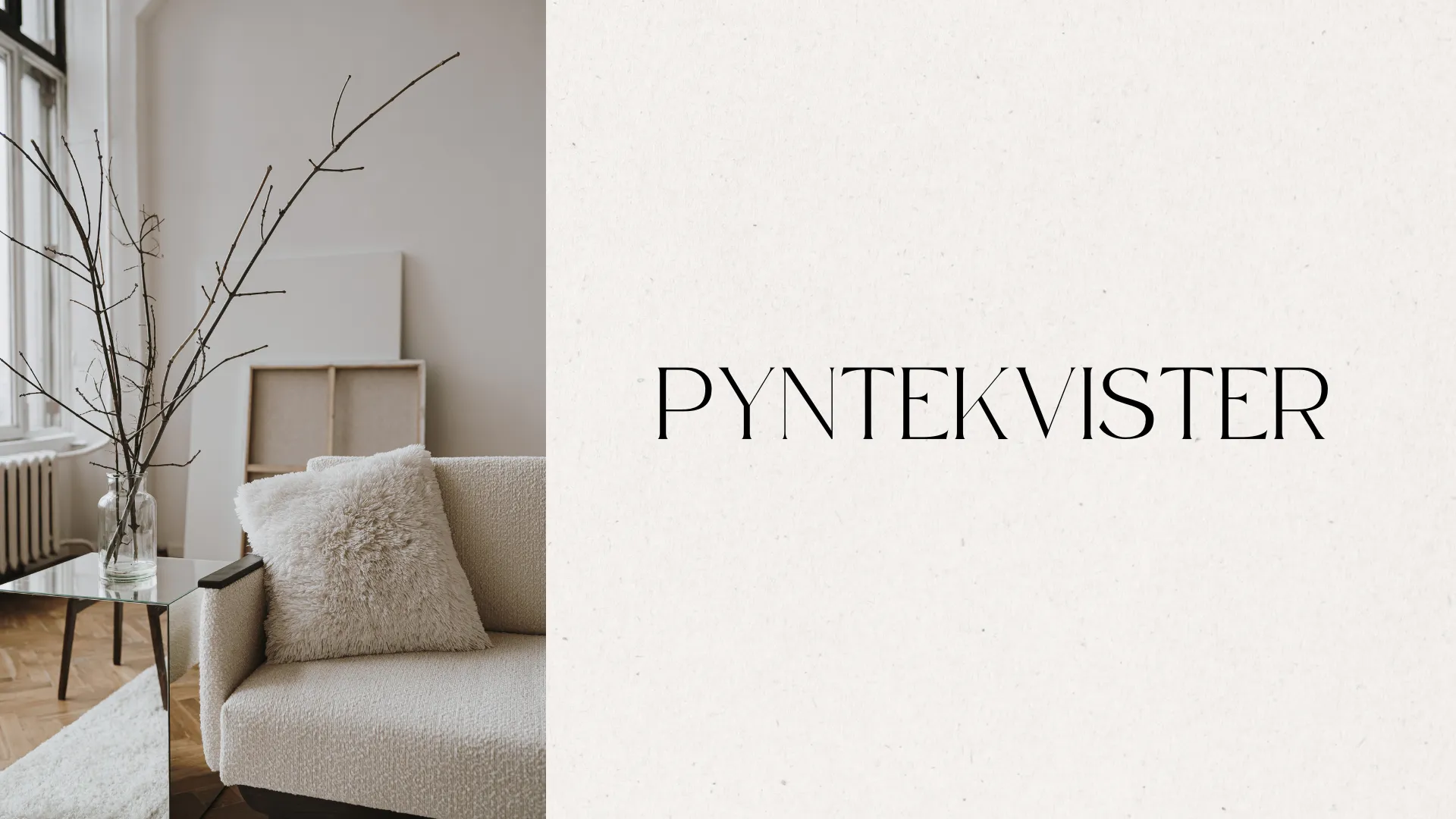
Meaning “decorative twigs” in Norwegian, Pyntekvister is peace and beauty all tangled up into a sculptural form that you can actually haul inside your home. Based on the Scandinavian heritage, pyntekvister is more than sticking a few branches in a vase; it’s about how design merges with sustainability and spirituality. Sculptural streaks, slicked into bundles or accessorized with seasonal accents (from velvet ribbon to baubles), pyntekvister offers a way of refreshing our interiors and awakening two senses, smell and touch, as well as inviting calm.
Key Insights:
- With Pyntekvister, the development is inspired by Nordic heritage and modern design forming a decorative ornament.
- Eco-friendlly pyntekvister bring texture and warmth in any indoor room.
- This fad does go with any type of style, from minimalist to boho.
For one, I’m gonna dissect the habit & lore of pyntekvister techniques. This should provide you with some usable ideas to help lace in a minimum 7 or so uses of your main term, along with an appearance by related secondary terms within any given blog page. Attend for exclusive tips, cultural context, crafting how-tos that are step by step (and commercial free), shopping advice and answers to all your most vexing pyntekvister problems.
The Origins and Cultural Significance of Pyntekvister
The tale of pyntekvister has come from centuries and continents far away. What had started as a game played among families in Norway and Denmark suddenly became much more than that. Landscaping has constantly been a subject of human creation and intervention, which consists in manipulating the nature to put it at our disposal – mostly throughout changes or turning points such as seasons or celebrations. Pyntekvister also gave people a way to invite the woods and wilds indoors, particularly during long dark winter nights.
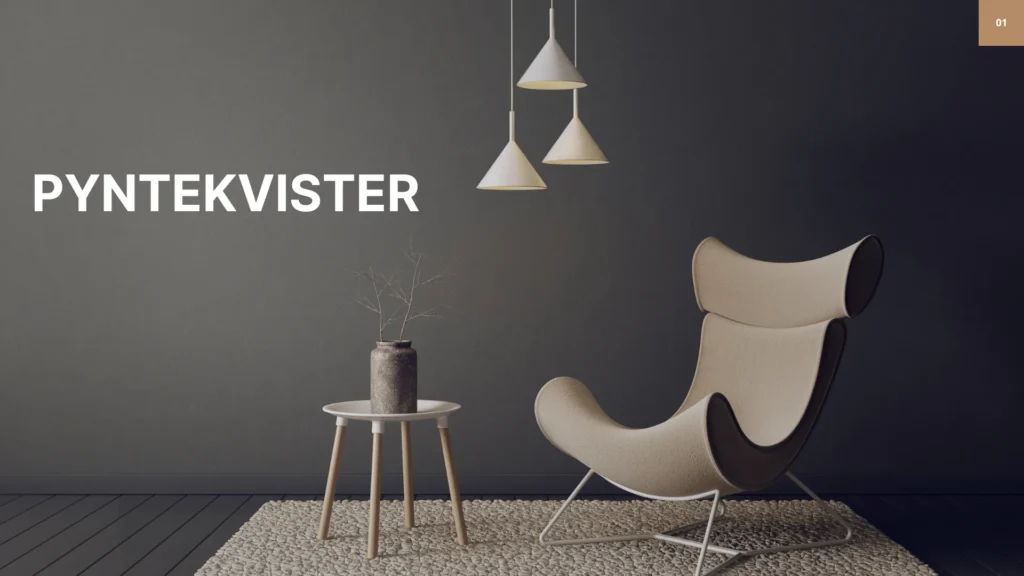
Twigs were chosen for beauty and as emblems: birch of renewal, willow of pliability and alder of strength. Today, pyntekvister have become decorative centerpieces in modern-day Norway and are a part of holiday décor or even everyday displays that pay homage to what nature gives us. Each pyntekvist is a tale, merging home life with the forest that sustains it.
Pyntekvister in Interior Design: Styles, Functions, and Trends
Sofiaväggar, despite the spicy-sounding name, are actually going to leave you feeling refreshed: they’re mainsail walls made for that cozy minimalist scandi jungle vibe. Pyntekvister is ideal for this type of interior styling, marrying the old world with new age designs. The look can be a few sparsely upright twigs for a quiet silhouette or masses of full tangles, earthy drama. Designers employ pyntekvister as centerpieces on dining tables, windowsills and in entryways.
These days, pyntekvister are often arranged in glass vases, woven baskets or even metal containers for a sophisticated twist. The organic lines and soft movement wilschpyntekvister provide can also soften an otherwise angular geometric space or add visual rhythm to a muted color scheme. And rows of pyntekvister have always made rooms feel linked, with a story.
Sustainable Appeal: Why Eco-Friendly Decor Matters
Pyntekvister are a sustainable choice of decoration. For home, tree branches also are 100 percent natural already fallen-to-the-ground materials so there is no damage to the environment. Pyntekvister is prized by nature lovers for that zero-plastic, biodegradable beauty especially in contrast to synthetic garlands or single-season decorations.
DIY pyntekvister projects inspire upcycling you could try painted branches, natural decorations or mixed arrangements with dried flowers, moss and pinecones. Pyntekvister decor encourages an eco-friendly lifestyle, with a nod to enjoying and reusing what the natural world gives us.
Choose & Make Your Own Pyntekvister
The right pyntekvister starts with sourcing. Local parks, forests or your own garden are great spots for collecting twigs. Choose branches that are dry, smooth & have interesting shapes or buds. The boughs should be gently brushed with a soft brush before you bring them inside, to dislodge any dirt or insects.
Others prefer to further air dry twigs in order for fungus buttock not occur. For a more polished look, strip small branches or sand the ends lightly.) If using colored elements, look for natural dyes or make your own paint and use water based paints which leave no trace on the earth. Voilà, your pyntekvister is ready for use in any arrangement from the simplest to most elaborate.
Little Branches Of Pyntekvister In The Home
Pyntekvister are so easy and can be used in countless ways:
- Table Centerpieces: A bundle of pyntekvister all bunched up in a ceramic vase makes for an eye-catching, minimal centerpiece on your table.
- Mantel Displays: Arrange multiple pynte-kvister in a variety of shapes and sizes for dimension & appeal on shelves or fireplace mantels.
- Wall Art: Wall Art Fasten pyntekvister to a board or frame for botanical wall décor.
- DIY Chandeliers: Drape long pyntekvister from the ceiling in fairy lights for a whimsical chandelier.
- Seasonal accents: Dress up pyntekvister with winter ornaments, spring painted eggs or fabric ribbons for a summery vibe.
Pyntekvister fit naturally with other decorative accessories like candles, stones or woven mats creating more added creative possibilities in any environment.
Pyntekvister and Seasonal Decor: Ideas for Every Time of the Year
In the Scandinavian calendar, pyntekvister occupy a special place:
Spring: Willow or cherry pyntekvister ready to bud is a symbol of new life, and used on Easter (often decorated with feathers or eggs).
Summer: “They give me fresh vibes,” Mr. Behnke added of the lighter-tipped green twigs, which he said work particularly well with wildflower arrangements in your living space.
Autumn: Choose hardy branches with colorful leaves for a warm, textured hint of seasonal change.
Winter: A study in simplicity, bare branches with a whisper of glitter or nestled alongside pinecones brighten festive tables and windows during the darkest months.
It is these versatile themes that make pyntekvister a must-have supply for anyone looking to decorate in nature’s way.
Also Read – itradercoin.com: Comprehensive Review, Features & FAQs
The Do It Yourself How-to: Create Your Own Pyntekvister Arrangements
It’s easy and rewarding to make such pyntekvister, plus they’re dirt cheap! Here’s a basic method:
Collect: You will need 10–20 twigs that are close to the same length. Think of varieties like willow, birch or dogwood.
Preparation: 1. Wash twigs and dry them; trim to even lengths with pruning shears.
Set: Start with a base vessel glass, ceramic or metal. Begin by fanning larger twigs and laying smaller ones in front.
Anchor: Fill the bottom with pebbles or sand to weigh it down and add some texture.
Customize: Adorn with tiny decorations, dried flowers or eco-friendly paints.
Rotate: Change up the lineup every season or replace twigs to suit your home’s mood.
Imperfections and variations within the different pyntekvister sets meld together into a living piece of art that changes alongside your taste as well as in relation to its surroundings.
Pyntekvister for Special Event & Party Supplies
And whether it’s a wedding, birthday or even festive holiday – they all get an added something from pyntekvister. And for those rustic weddings, clusters of decorated pyntekvister are affordable and make statement table markers or aisle decor. Create little bunches for place settings, favor tags or napkin bow holders. For birthdays, kids can assist in assembling custom pyntekvister centerpieces using colored ribbons or origami birds.
Holiday pyntekvister are great for decorating with your own homemade ornaments, bells and pom-poms to create a natural celebration without synthetic waste. The private, imaginative versatility and thrift of the pyntekvist accessorize memories as vividly as they do rooms.
Health and Wellness: The Perks of Natural Decor
It not only looks good, bringing pyntekvister indoors can enhance well-being. Research has shown that even small amounts of nature indoors can reduce stress, promote focus and improve mood. Pyntekvister helps put people in touch with cycles of the natural world, even within aggressively busy urban apartments.
Their natural forms and textures create a soothing, grounding impact that’s ideal when combined with other plant accents or aromatherapy. For a home office, reading area or bedroom adding pyntekvister promotes general well being while inviting the healing energy of nature within.
Shopping for Pyntekvister: How to Look, Where to Buy
For those looking for a ready-made option, garden centers and florists do sell pyntekvister, as well as Scandi decor focused online marketplaces. Look for:
Quality: Sturdy, well-dried branches that won’t snap or shed too much.
Sourcing: Locally or from certified suppliers responsibly harvested materials.
Style: Bundles of Different Thicknesses,Colors or Adding Other Decorations.
Size Options: Floor displays, tabletop arrangements or smaller accent pieces.
Supporting artisan makers, who specialize in pyntekvister and eco-décor, can produce original works for your own space – or else new ideas to get creative yourself.
Pyntekvister and Kids: Fun, Educational Craft Ideas
Pyntekvister is a great starter for children on this path to crafting, natural science and awareness of nature. The process of tying has been done since the plant landed in our home, and it also helps us develop fine motor skills for the children along their creative side that plants a seed for thinking environment. Invite children to help collect twigs and choose or sort, paint, weave with them.
Projects can also become lessons in biology about native types of trees or discussions on the changing seasons. And the simplest bouquets placed in their rooms produces confidence and a love of nature’s beauty.
Conclusion
It has been developed to be more than a passing trend, it is an enlivened eco-statement on timelessness and subjectivity in decoration. It is all the more splendid because it combines nature’s art and human imagination. Offered either as a stand alone item in an exquisite vase, mounted art on your wall or intertwined through celebrations Pyntekvister imparts warmth and otherworldliness to any inside space. With the endless ways you can update this tradition to suit modern tastes, pyntekvister’s influence extends even further, shooting off into homes and events and hearts around the world.
FAQs:
Q1: When do you use pyntekvister, what kind of branches are the best?
Willow, birch or alder twigs are best. Hunt for one-off shapes or colors which liven up combinations.
Q2: How do I maintain the appearance of my pyntekvister?
For day-to-day cleanings, dust with a dry cloth and avoid direct sunlight to prevent fading; replace the twigs as they become dirty to stop them from growing dusty.
Q3: Are pyntekvister ok for outdoor use?
Yes, but for longevity go with treated or weather-resistant twigs, especially where there is a lot of humidity or rain.
Q4: Can I recycle my pyntekvister once Ive used them?
Absolutely. Compost sticks and twigs, or recycle them in your garden as markers around the vegetables you grow,use for mulch; future craft projects.
Q5: How can a pyntekvist be decoratively treated?
Tie on ribbons, small ornaments or twine lights around it; string flowers through the branches – and our non-toxic paint can make scourges for seasonal decorations.
Q6: Do pyntekvister collect pests?
When cleaned and dried before use, pyntekvister seldom carry in pests.
Q7: What are pyntekvister? Are there any cultural or spiritual significance behind them?
Yes, they often represent renewal and growth a connection with nature shared by many people of Nordic descent.
Q8: Can field bouquet with fresh flowers?
Mixing pyntekvister with fresh or dried blooms also gives an arrangement a fullness and texture that can bring drama to flower arrangements in any room.
Q9: What devices are needed to set up pyntekvister?
Required tools are prunes, thinning shears and a pot. Use natural string or wire to hold the bundles in place for more intricate presentations.